|
|
 |
Data d'enviament: 27/01/2022
Projecte d'especialització i competitivitat territorial (PECT) emmarcat en la RIS3CAT i el PO FEDER de Catalunya 2014-2020.
"CUIDEM EL QUE ENS UNEIX. CARRETERES MÉS SEGURES I SOSTENIBLES"
Els PECT són projectes d’innovació i especialització intel·ligent territorial cofinançats pel Fons europeu de desenvolupament regional (FEDER), que responen a la voluntat d’organitzar i aglutinar els diferents elements determinants del desenvolupament econòmic d’un territori de forma alineada amb l’Estratègia europea de Recerca i Innovació per a l’Especialització Intel·ligent (RIS3) i la corresponent estratègia catalana RIS3CAT.
Així, el Projecte d’especialització i competitivitat territorial (PECT) ‘Cuidem el que ens uneix. Carreteres més segures i sostenibles’ desenvolupa solucions innovadores en l’aplicació de materials per a la construcció i manteniment de la xarxa de carreteres i en la seva senyalització. Té la finalitat de millorar la seguretat viària, la sostenibilitat del territori i la generació de noves oportunitats d’activitat econòmica. Liderat per la Diputació de Tarragona, hi participen també la Universitat Rovira i Virgili i Eurecat. El projecte està cofinançat pel Fons Europeu de Desenvolupament Regional (FEDER) de la Unió Europea, en el marc del Programa operatiu FEDER de Catalunya 2014- 2020, objectiu d’inversió en creixement i ocupació.
|
|
|
|
|
|
Editorial: Article del mes
|
|
|
|
|
|
|
|
|
|
Les alteracions de les xarxes de transport són inevitables. En l'actualitat, la major part de la planificació del transport relacionada amb el desenvolupament d'aquest, té com a objectiu preparar-se per a les interrupcions observables que es produeixen amb freqüència, mentre que els esdeveniments de baixa probabilitat que encara no s'han materialitzat reben menys atenció.
Quan les xarxes de carreteres no són resistents, és a dir, no es recuperen ràpidament de les interrupcions, aquests imprevistos poden causar retards significatius que poden no ser proporcionals a la magnitud de la interrupció. Augmentar la resiliència pot ajudar a mitigar les conseqüències de les interrupcions, però requereix una inversió financera que és difícil de justificar, ja que l'esdeveniment encara no s'hagi materialitzat. L'article destaca les implicacions econòmiques de les pertorbacions aleatòries no mitigades en els sistemes viaris urbans i defensa la inversió en la resiliència de la xarxa de transport.
Per a això, han utilitzat un model de rendiment de la xarxa de transport urbà que quantifica resiliència i demostra la seva integració amb el model microeconòmic de planificació del transport REMI TranSight. El model es va aplicar a 10 ciutats dels Estats Units per a calcular diversos indicadors econòmics en un escenari de referència en el qual se suposava que l'impacte econòmic era proporcional a la magnitud dels esdeveniments pertorbadors i sota un escenari de prova en el qual la magnitud de la pertorbació es va utilitzar per a calcular els retards addicionals en les xarxes de transport i aquests retards addicionals es van integrar explícitament en el model REMI.
En conclusió, l'article demostra que, en desenvolupar el flux de treball que pot donar suport a l'anàlisi de la resiliència i la presa de decisions, els models econòmics han de combinar-se amb l'anàlisi de la xarxa viària per a reflectir l'impacte de la interrupció en processos importants, com l'accés de la població als seus llocs de treball o el transport de mercaderies al mercat.
|
|
|
| |
|
|
|
|
|
|
|
|
|
|
|
| |
|
|
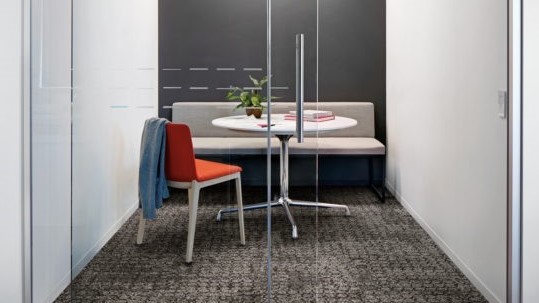
| NY+LON Streets with CQuest™ Bio backing |
|
|
NY+LON Streets is an urban carpet collection, taking you on a journey through two of the world’s iconic cities, New York and London.There are six products in the collection; Wheler Street, Old Street, Dover Street, and Reade Street interpret familiar street textures in a variety of scales, Mercer Street embraces an unconventional grid pattern, and Broome Street injects contemporary colour.
|
| |
|
|
|
| |
| |
|
| |
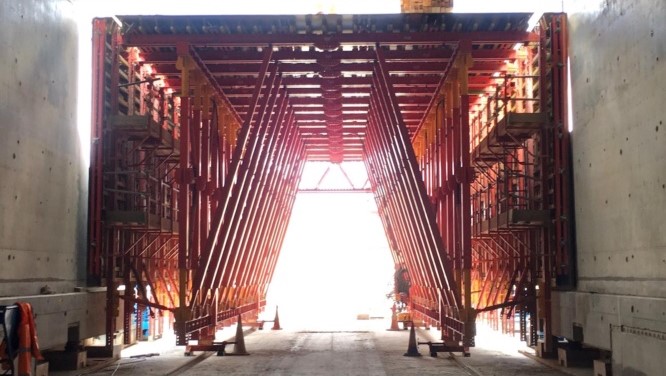
| Massive pre-built tunnel is first for UK rail |
|
|
Network Rail is making the final preparations for the installation of an 11,000-tonne pre-constructed concrete tunnel on the East Coast Main Line.Built on-site over the past nine months, the 155m concrete box will be slid under existing rail infrastructure at Werrington, north of Peterborough, where the East Coast Main Line is crossed by a slow-moving east-west freight route. The tunnel will take slower freight trains off the fast route, speeding up services and improving reliability.
|
| |
|
|
|
| |
|
|
|
|
|
|
|
|
|
|
|
| |
|
|
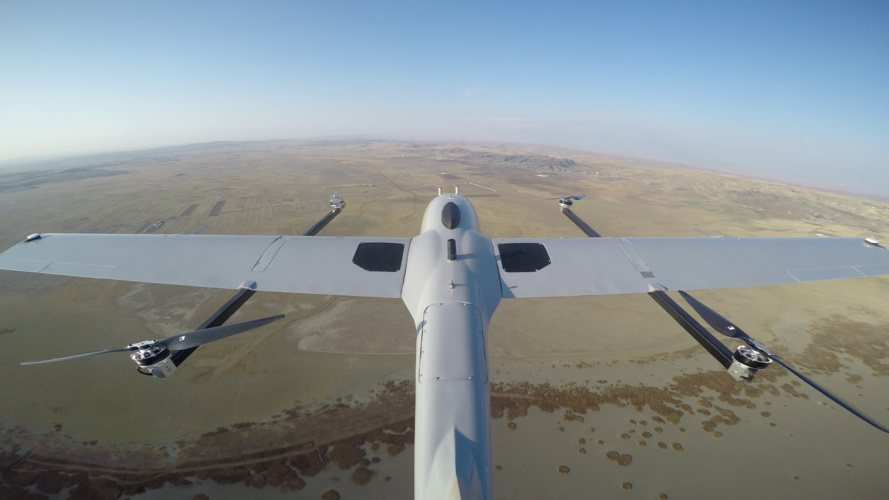
| Turkish delight for drone traffic system |
|
|
A technology platform for managing drone traffic has been successfully trialled on a number of test flights that took place near the Turkish capital of Ankara.The Pop-Up UTM (Unmanned Traffic Management) system has been developed by the UK’s Altitude Angel in partnership with satcom giant Inmarsat and A-TechSYN, an Irish UAV company headquartered in County Clare.
|
| |
|
|
|
| |
| |
|
| |
| HS1 to use AR for virtual monitoring of rail assets |
|
|
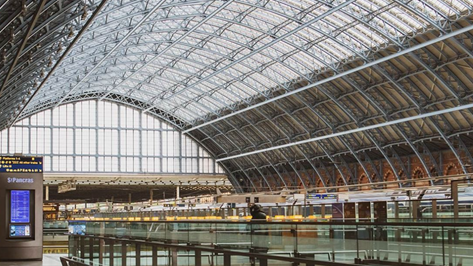
HS1 Ltd is introducing augmented reality technology to monitor assets across the high speed Channel Tunnel Rail Link it operates from St Pancras to Folkestone.St Pancras station. The company will create a digital twin that will include signalling equipment across the stretch of track, as well as monitor the real-time performance of St Pancras station’s lifts, escalators and travelators.
|
| |
|
|
|
| |
|
|
|
|
|
|
|
|
|
|
|
| |
|
|
| KAUST team models use of wireless road charging |
|
|
Researchers have furthered the understanding of how wireless road charging could influence driver behaviour and city planning in a future dominated by electric vehicles (EVs).The team at KAUST in Saudi Arabia set about this by applying statistical geometry to the analysis of urban road networks.
|
| |
|
|
|
| |
| |
|
| |
| ML-Powered Digital Twin For Predictive Maintenance — Notes From Tiger Analytics |
|
|
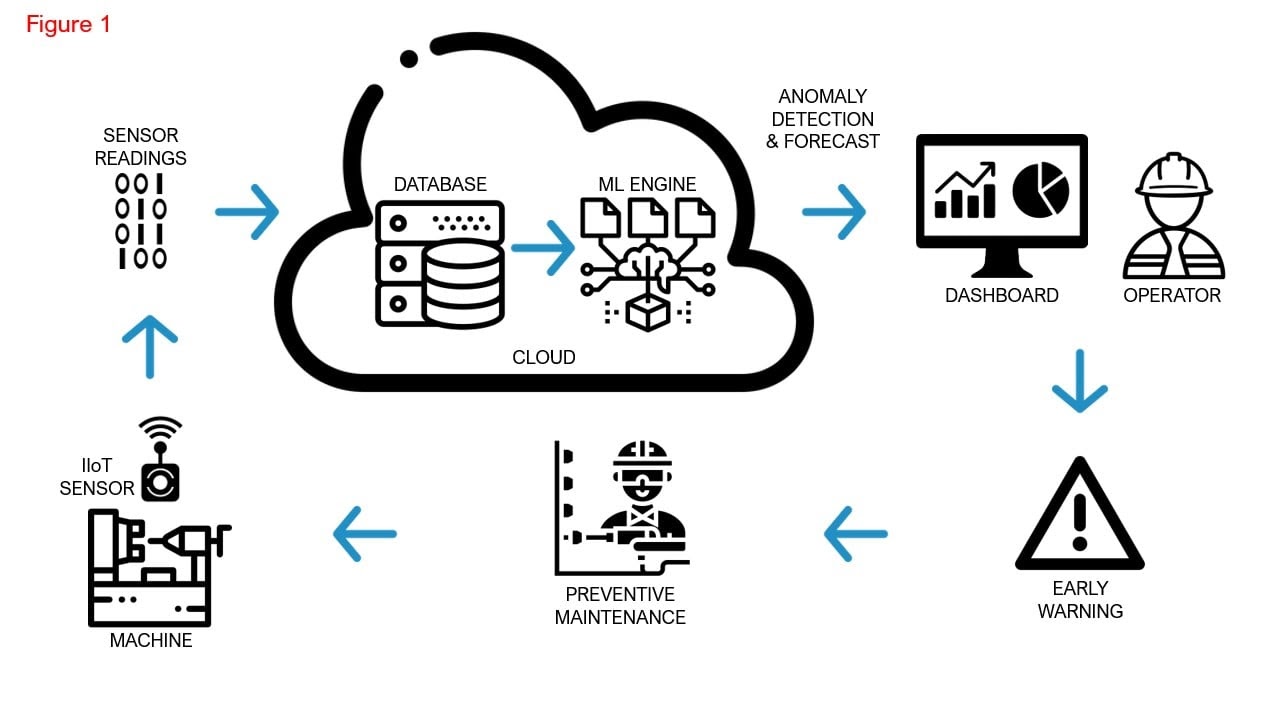
Historically, manufacturing equipment maintenance has been done during scheduled service downtime. This involves periodically stopping production for carrying out routine inspections, maintenance, and repairs. Unexpected equipment breakdowns disrupt the production schedule; require expensive part replacements, and delay the resumption of operations due to long procurement lead times.
|
| |
|
|
|
| |
|
|
|
|
|
|
|
|
|
|
|
|
|
| |
|
|
| Capturing tire particles |
|
|
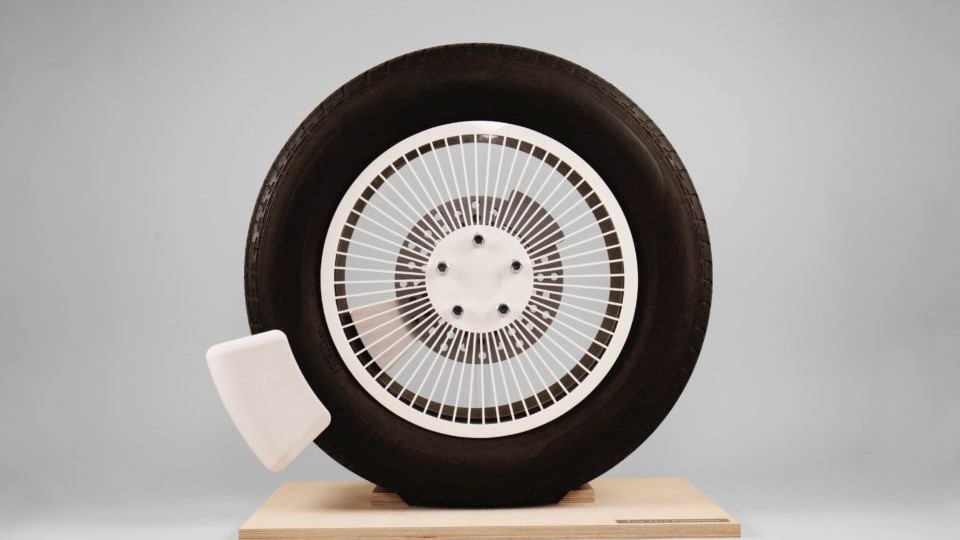
The Tyre Collective, consisting of students from the Innovation Design Engineering programme of the Imperial College London and the Royal College of Art in the UK, designed a device that captures tire particles to reduce microplastic pollution.Every time a vehicle brakes, accelerates or turns a corner, the tires wear down. Tiny particles become airborne, adding to the microplastic pollution problem as they wash away in waterways and oceans, as the second largest microplastic pollutant after single-use plastic.
|
| |
|
|
|
| |
| |
|
| |
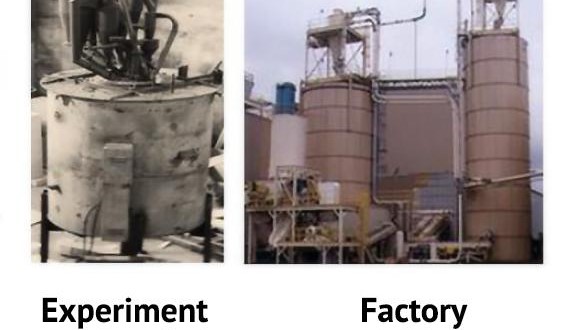
| Russian scientists developed a new technology of energy generation from bituminous coal |
|
|
Bituminous coal comprises over 90% of organic fuels in the lithosphere of the Earth. By burning coal and other fossil fuels one can get electrical power (which is mainly happening at HPPs). However, the existing generation methods are not efficient, bad for the environment, and extremely resource-demanding.
|
| |
|
|
|
| |
|
|
|
|
|
|
|
|
|
|
|
| |
|
|
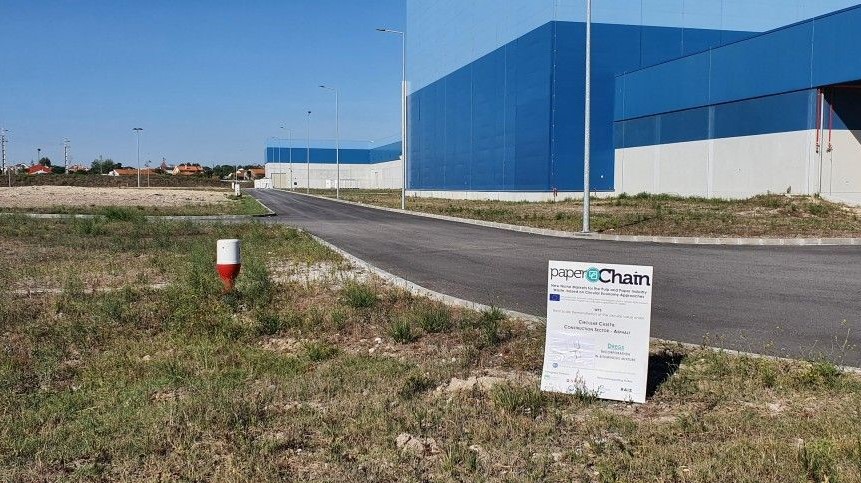
| paperChain assesses the use of industrial waste in the construction sector |
|
|
Industrial prefabricated concrete pavilion and a road pavement in Aveiro are the two pioneering demonstration cases of using waste in construction. Residues from the pulp and paper industry are tested as secondary raw materials, with a circularity and industrial symbiosis basis. paperChain intends to contribute to the goal of Zero Waste and demonstrate the concept of circular economy
|
| |
|
|
|
| |
| |
|
| |
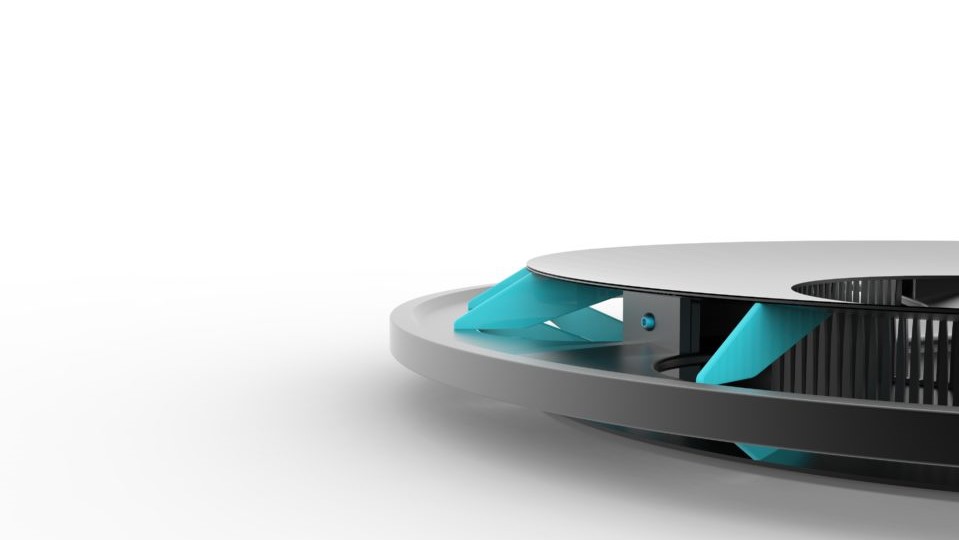
| A bicycle wheel that filters outdoor air pollution |
|
|
Called Rolloe, this bicycle wheel uses the riders motion to filter outdoor pollution, cleaning the air as they cycle.The bicycle wheel uses motion and rotation to capture outdoor air pollution, including particulate matter and noxious gasses. The wheel draws in polluted air using the rider’s kinetic energy. The air is sucked into a set of reusable filters, which expel it clean back out towards the rider’s face and into the environment.
|
| |
|
|
|
| |
|
|
|
|
|
|
|
|
|
|